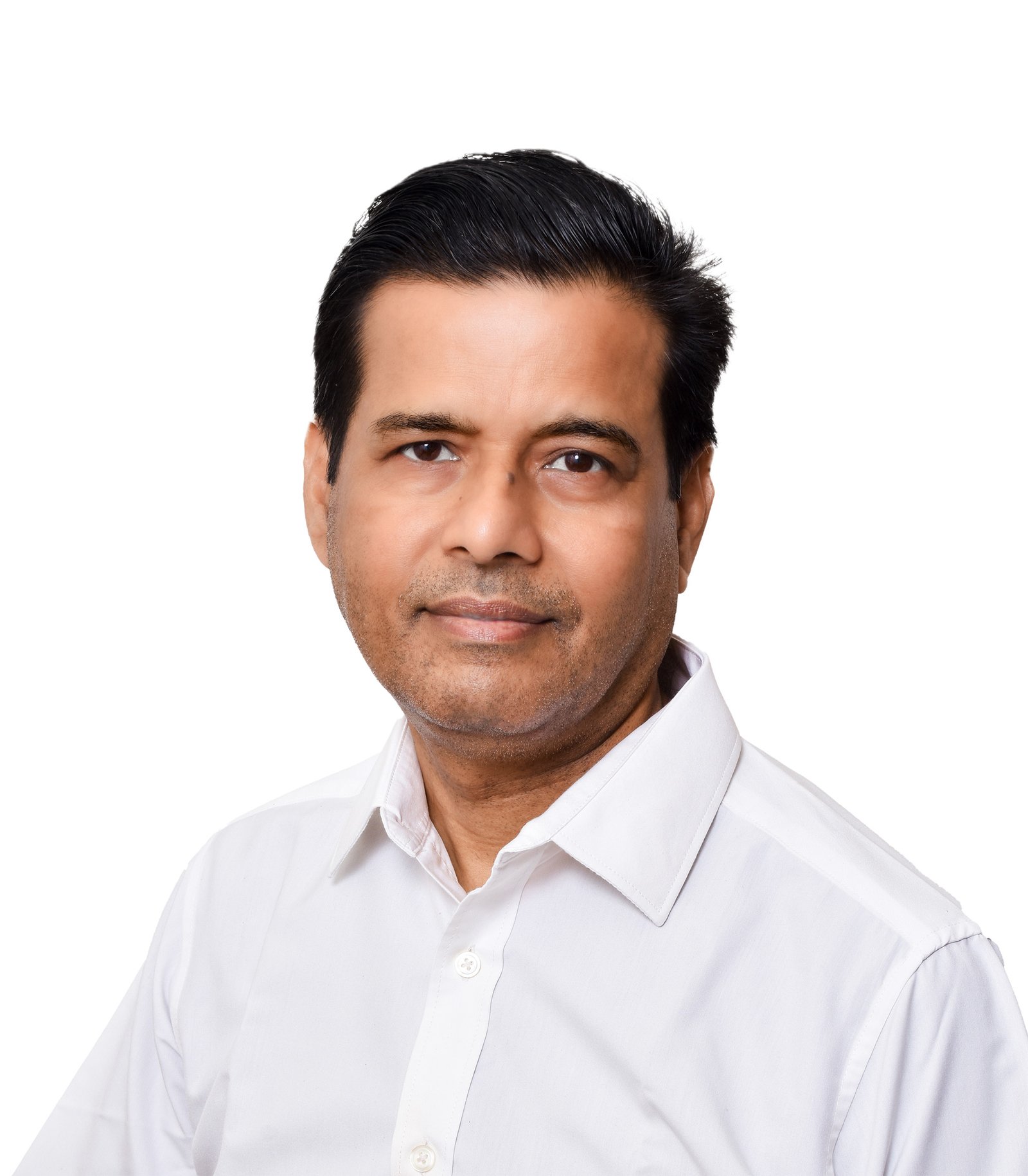
Dr DronacharyaResearcher-Practitioner of Naturopathy & Ayurveda


around the globe
“Nurturing Wellness, naturally.”

Facts
Naturopathy is a holistic healthcare system that focuses on natural remedies and non-invasive therapies to promote wellness and treat health issues. It emphasises the body’s innate ability to heal itself and aims to address the root causes of illness. Naturopathic doctors create personalised treatment plans that may include herbal medicine, dietary changes, nutritional supplements, hydrotherapy, and lifestyle counselling. Prevention and patient education are key elements of naturopathy. It is often chosen as a complementary or alternative approach to conventional medicine, offering a holistic and patient-centred perspective on well-being.
Ayurveda, the traditional Indian system of medicine, offers numerous benefits. It promotes holistic well-being through personalised treatment plans based on an individual’s unique constitution (dosha). Ayurveda emphasises natural remedies, including herbal medicines, dietary adjustments, and lifestyle modifications. It helps manage and prevent a wide range of ailments, from digestive issues to chronic conditions such as arthritis. It also supports mental and emotional health by promoting balance and reducing stress. With its holistic approach, Ayurveda aligns with the body’s natural rhythms and addresses the root causes of health problems. Overall, it offers a comprehensive, natural path to health, focusing on harmony and longevity.
Reiki is a holistic healing practice that offers several important benefits. It promotes deep relaxation and reduces stress, helping to ease anxiety and enhance overall well-being. By clearing energy blockages, Reiki can support physical and emotional healing, potentially relieving pain and aiding the body’s natural recovery processes. It may also improve mental clarity and encourage spiritual growth, fostering inner peace and balance. Reiki is non-invasive and works well alongside conventional medical treatments, making it a versatile approach to enhancing health. Its importance lies in its ability to promote healing, reduce stress, and support a more balanced, harmonious life.
What People Say
Shayan Roy Choudhary
Nadim Khan
Nirmala Sharama
Lopamudra Mukherjee
Healing Through Nature’s Ancient Wisdom
Reiki