

The Primitive Concept
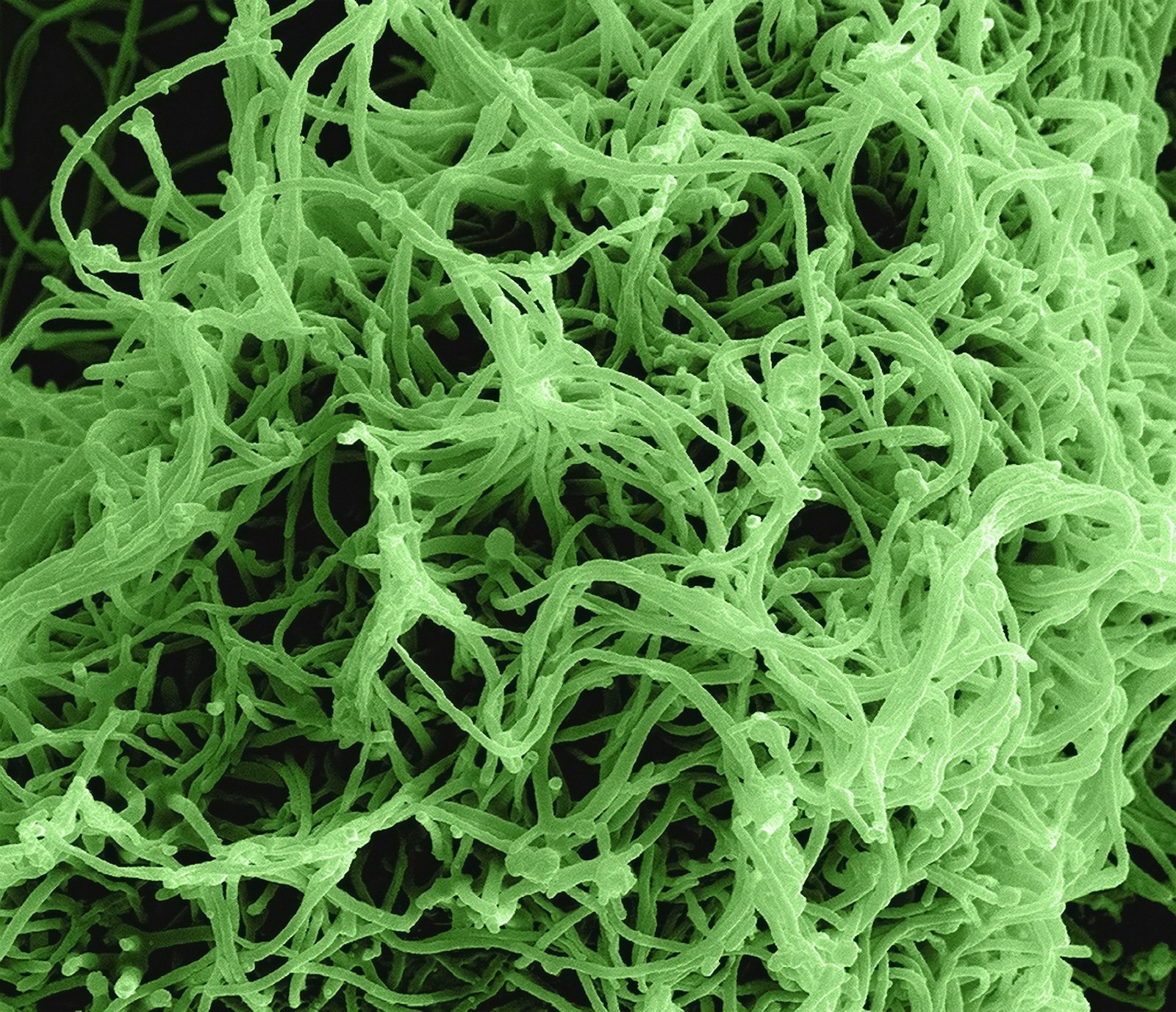
In early times, diseases were believed to be caused by devils, giants, or ghosts. These beliefs are now seen as ignorant and unscientific. Today, the widely accepted view is that diseases are caused by invisible agents such as germs, viruses, and micro-organisms—a concept popularised since the time of Louis Pasteur.
Interestingly, both the primitive and modern beliefs involve invisible forces—only their nature has changed. Previously, people believed in many invisible entities; now, we believe in tiny, invisible germs. The underlying idea remains similar.
Louis Pasteur conducted experiments using contaminated substances like alcohol and bread. Through these, he observed microscopic organisms and concluded that germs are the root cause of many diseases. However, even with this knowledge, medicines do not always cure diseases. Many illnesses progress from acute to chronic and, at times, become malignant. If medicines truly cured all diseases, surgeries would be unnecessary.
Since that’s not the case, nations spend vast sums on producing medicines. Some of these, developed in artificial laboratories, are later banned—often due to complex and varied reasons.
Contemporary Experiments
Let us now consider the experiments conducted by foreign doctor-scientists.
Professor Antoine Béchamp, a noted scientist, proposed that microorganisms exist within the structure of a germ itself. In a generally healthy body, these microorganisms can transform into normal cells. However, under diseased or unhealthy conditions, they may develop into harmful germs.
Dr J.B. Fredger, M.D., conducted extensive research on germs over a period of three years. His aim was to determine whether germs appear before or after the onset of disease. He demonstrated that in living bodies, germs are detected only after the disease has already developed—not before.
Dr Robert McCarrison also challenged Louis Pasteur’s theory. Similarly, in 1955, the renowned bacteriologist Dr Dubos gave a lecture at the Rockefeller Institute, U.S.A., before the Academy of Medicine. He stressed a key point: germs alone do not have the power to cause disease. Disease arises when the body’s immune system is weakened or compromised.
Eco-System
All living beings are part of the natural balance, and some creatures serve as nature’s scavengers. This forms what we call the ecosystem.
If the ecosystem is a scientific concept, then why should we fear germs? They too are natural scavengers and an integral part of nature.
Function of Germs
When something rots, germs arrive to consume the decayed matter; their digestive function is designed by nature for this purpose. This is why Hippocrates stated, “Disease is itself a healing process.”
Louis Pasteur’s experiments revealed a profound truth: germs cannot infect living, healthy tissue. They are attracted only to waste and contaminated substances, which they use as food.

Astonishment Facts
Today, we often hear about global warming and pollution—problems certainly not caused by innocent animals. It is, in fact, absurd to label them as “beasts.” While we have various religious beliefs and scriptures, animals have none—yet live in harmony with nature.
It is astonishing to think that even God must intervene to restore balance on Earth. Despite our advanced degrees, gold medals, and PhDs, we have failed to overcome our egos.
Education should foster humility and respect, yet it has often fuelled arrogance. Each day, television broadcasts reports of crimes and disgraceful acts—committed not by animals, but by humans alone.
These problems stem from our disregard for the natural order—our thoughts, diets, and lifestyles
What Science Says?
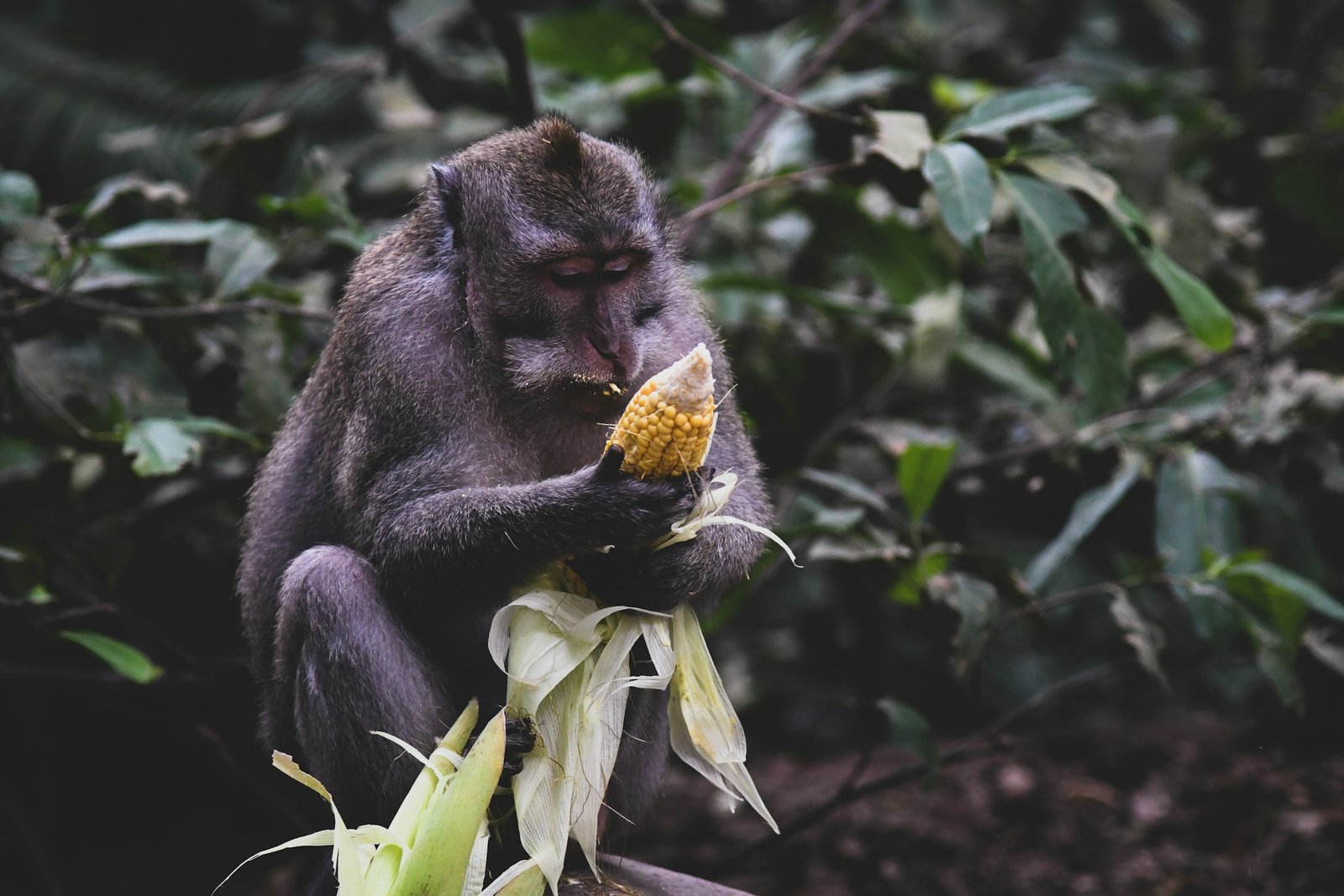
Anthropology has shown that human beings belong to the ape group of animals, which includes chimpanzees, gorillas, and monkeys—all primarily herbivorous. The only exception is a group of monkeys in the Nilgiri Hills, part of the loris group, which are carnivorous due to their pronounced canine teeth.
Human beings, by nature, are primarily vegetarian. Surprisingly, this fact is not clearly highlighted in most science textbooks. While science provides classification, it remains notably silent on the subject of vegetarianism.
A Natural Example
Human beings are intellectual and dominate the world, yet we—and our domesticated animals—suffer from numerous diseases. In contrast, wild animals, with no human interference, rarely experience such ailments.
Animals live in accordance with natural laws. They do not practise pranayama or yoga as we do, yet we imitate their natural movements to form asanas. Despite this, we often struggle with health.
Animals eat only when they are truly hungry and refrain from eating otherwise. They use their reproductive organs solely for procreation, not for pleasure. They make full use of sunlight and fresh air and are known to fast instinctively to cleanse and rejuvenate their bodies.
In contrast, humans rarely skip meals and are plagued by greed, frustration, tension, aggression, and an excessive focus on sex—traits seldom seen in wild animals.
Misconceptions About Vegetarianism
Some people in India criticise Bengalis for eating fish while claiming to be vegetarians themselves, yet they consume milk and milk products. However, milk is an animal-derived substance and contains animal protein.
True vegetarianism requires mindfulness about what we consume, focusing on foods that suit our digestive system and are easily digestible.
Dietary Classifications
Living beings can indeed be classified based on their dietary habits. The three main categories are: herbivorous (vegetarian), carnivorous, and omnivorous.
Carnivores

- Carnivores have a shorter elementary canal compared to herbivores.
- Their blood is acidic (80%) and alkaline (20%).
- Blood cells in carnivores are oval in shape.
- They primarily consume flesh and are known for their carnivorous diet.
- All their teeth are canine, designed for tearing flesh, and potentially used as weapons.
- Like herbivores, carnivores are also capable of giving birth to infants and belong to the group of mammals. Their blood is acidic (80%) and alkaline (20%).
Herbivorous or Vegetarian

- Herbivores have a long elementary canal, extending from the face to the rectum.
- Their blood is alkaline (80%) and acidic (20%).
- Blood cells in herbivores are round in shape.
- They typically consume raw vegetables.
- Herbivores often drink plenty of water and have a desire for salt.
- They are capable of giving birth to infants and belong to the group of mammals.
While they have canine-shaped teeth, these teeth are not meant for tearing flesh and are primarily for gender differentiation.
Omnivorous

- Omnivores are a diverse group that includes birds, germs, viruses, and bacteria.
- They are not capable of giving birth to live infants; instead, they lay eggs.
- Unlike mammals, omnivores do not have a well-developed spinal cord.
- Their digestive system is shorter than that of carnivores.
- Omnivores drink less water than carnivores.
- While they have various organs, not all of them are fully developed.
- It’s important to note that these categories provide a simplified view of dietary habits in the animal kingdom. Nature is incredibly diverse, and there are exceptions to every rule. Additionally, dietary habits can vary among species within these broad categories. These classifications offer a basic understanding of how diet relates to the physiology of different animals.
My Opinion
I firmly believe that human beings are naturally vegetarians—not lacto-vegetarians. While mother’s breast milk is essential in early life, it becomes unnecessary once teeth develop, just as in other animals. Cows do not produce milk by drinking milk; they consume raw vegetation, which the body converts into milk. It’s important to remember: first comes blood, then milk. We should focus on maintaining clean, healthy blood.
Animals remain loyal to their dietary nature. Tigers and lions never eat fruit, just as apes, elephants, and deer never consume flesh. Omnivores, typically smaller in size and egg-laying, eat both plant and animal-based food.
Wild animals consume their food raw and unprocessed. This consistency is the key to their lasting fitness.
As vegetarians, we should eat seasonal leafy greens, roots, and fruits in their natural, raw form. Our bodies are creations of nature, not man-made constructs. The human body acts as a living laboratory, capable of producing its own remedies. Yet we depend on doctors—who themselves are nature’s creation, just like us.
We work tirelessly to afford medical care, yet this illusion of dependence continues in modern society. As a doctor, I feel deeply humbled—because I believe only nature can truly heal. Nature is the real doctor.
Explanation of Doctor
The word doctor originates from the Latin word docere, which means “to teach.” It is also linked to the Greek word deiknynai, meaning “to show,” “point out,” or “explain.” Thus, a doctor originally meant a teacher.
Yet, some of us feel proud simply by being addressed as “doctor.” This is, without doubt, a misconception.
Concept of W.H.O
Mere existence is one thing; living with awareness, strength, and vitality is something entirely different.
According to the World Health Organization (W.H.O),
“Health is a state of complete physical, mental, and social well-being, and not merely the absence of disease or infirmity.”

What is Disease?
The word disease simply signifies discomfort. The prefix dis- means negation, and ease refers to comfort—so, disease refers to a state of not being at ease. It is not something to be feared.
For example, if someone eats spoiled or contaminated food, they may experience vomiting or diarrhoea. Should they fear these symptoms? Certainly not. These are the body’s natural responses to expel harmful substances. In this sense, disease can be seen as part of the healing process.
Take another example: if a part of the body is cut, the bleeding doesn’t continue indefinitely—it stops after a few minutes. This self-regulating mechanism is built into the body. Likewise, symptoms such as cough, cold, fever, dysentery, and diarrhoea are acute reactions aimed at eliminating toxins and waste, often caused by improper diet and lifestyle.

Naturopath Stands on two concepts
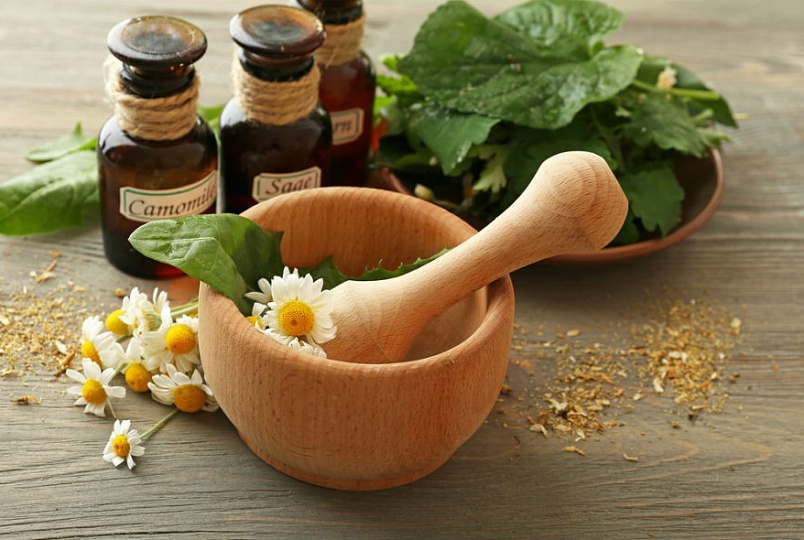
Naturopathy is founded on two core principles.
Firstly, disease is understood as the accumulation of toxins and waste products in the body, caused by improper diet, lifestyle, and negative thought patterns. Secondly, the elimination of these toxins is viewed as the cure.
In this light, disease is seen as a natural healing mechanism provided by Nature. Therefore, suppressing acute symptoms with medication is discouraged, as it may lead to chronic conditions. If further suppressed, these may become malignant—ultimately requiring surgical intervention.
And who is truly responsible for that operation?
Perhaps Controversial, But True
Some may find this view controversial and offer opposing arguments. I do not wish to engage in confrontation, I am simply sharing my insights and truth, drawn from 28 years of dedicated research.
Since childhood, I’ve questioned why humans and their domesticated animals suffer from so many diseases. Is there a solution? Over time, I’ve become convinced of the effectiveness of naturopathy, especially when witnessing recovery in patients once considered beyond help. Many have shown remarkable improvement under naturopathic care. Their testimonials are preserved at my home.
Personally, I have not used any form of medication for the past 28 years. This journey has confirmed, without doubt, that I am on the right path. I will continue to speak and share the truth I’ve come to understand.
In the end, the choice lies with each individual. One final note—there is no absolute connection between food preference and the body’s ability to digest it.
Since childhood, I’ve questioned why humans and their domesticated animals suffer from so many diseases. Is there a solution? Over time, I’ve become convinced of the effectiveness of naturopathy, especially when witnessing recovery in patients once considered beyond help. Many have shown remarkable improvement under naturopathic care. Their testimonials are preserved at my home.
Personally, I have not used any form of medication for the past 28 years. This journey has confirmed, without doubt, that I am on the right path. I will continue to speak and share the truth I’ve come to understand.
In the end, the choice lies with each individual. One final note—there is no absolute connection between food preference and the body’s ability to digest it.
What is Preventive and Curative?
If we follow the lifestyle of wild animals and the hardworking people of our country who live close to nature, we begin to understand a fundamental truth: a balanced diet of cooked food combined with raw vegetables, roots, and fruits helps build a strong, disease-free body. Preventive care involves living in harmony with nature—engaging in physical activities like running, brisk walking, swimming, playing, deep breathing, singing, and laughing. Equally important is dedicating at least 30 minutes daily to silence or meditation, and contributing to the welfare of others, remembering that the world is one family. Challenges in life are natural, and when illness arises, fasting can be a powerful healing method. One should only eat when truly hungry; without hunger, food is unnecessary. Drinking 5–6 litres of water daily helps flush out toxins and maintain internal balance. Adequate rest and proper sleep are also essential. In Naturopathy, diet is the foundation, while all drugless therapies—such as hydrotherapy, mud therapy, acupressure, massage, spinal adjustment, physiotherapy, yoga, and pranayama—serve as supportive tools to eliminate waste. Our diet should be predominantly raw, and we must gradually reduce the intake of animal protein, junk food, fast food, salt, sugar, and all processed items.
Intention of Somebody
Very few are truly concerned about people’s health; most are focused on extracting money from uninformed patients. In today’s world, money has become the supreme deity, often considered before all else. Yet, we must all leave this world one day. It is important to reflect on our mortality and the reality of death, even if just for five minutes each day. We should recognise that we are all interconnected, mere particles within the vast universe.
Conclusion
We must remember these vital truths:
- The accumulation of toxins causes disease; their elimination leads to healing.
- As part of the ape group, human beings are naturally herbivorous.
- Our diet should consist primarily of seasonal leafy vegetables, roots, fruits, and seeds in their raw form.
- Processed foods should be avoided as much as possible.
- Milk is appropriate for infants but not suitable for the young or elderly.
- Germs, viruses, and bacteria are nature’s scavengers—not enemies.
- A positive outlook helps us find light even in darkness.
- Acts of goodwill towards others are essential.
- The world should be seen as one family.
- We must honour both our biological mother and our motherland.
- We are tiny particles within the infinite universe—this connection deserves reflection.
- Like Nachiketa, we should meditate on the certainty of death and cremation.
- Our thoughts should benefit others.
- Physical activity—playing, running, brisk walking, laughing, swimming, and hard work—is vital for health.
- All drugless healing systems should be embraced to support recovery.
- Disease is a natural cleansing process guided by nature.
- Modern allopathic treatments should be reserved for emergencies only.